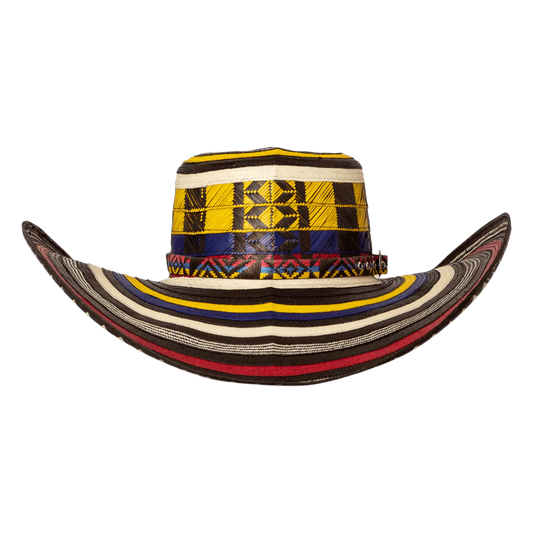
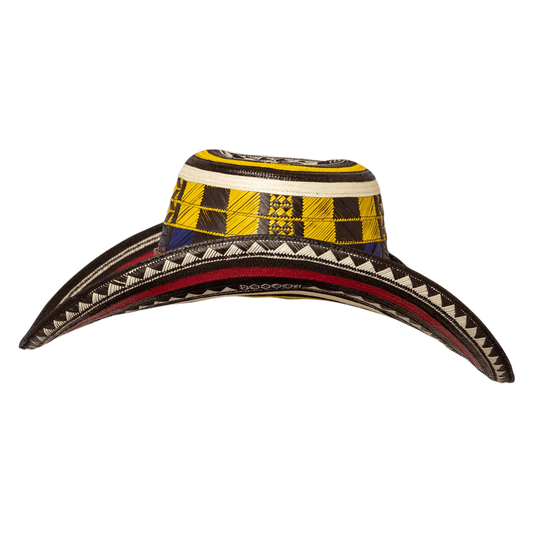
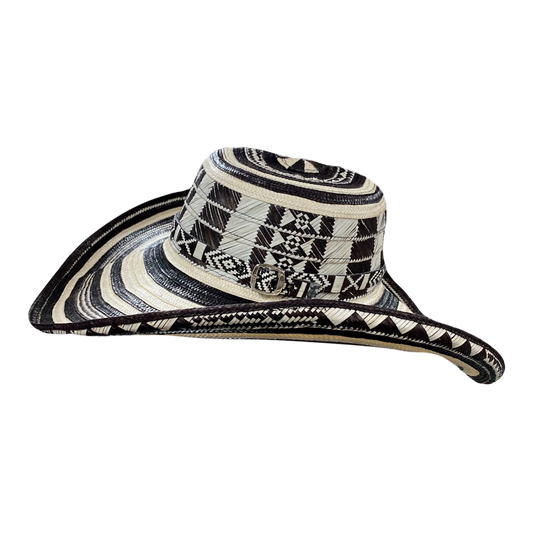
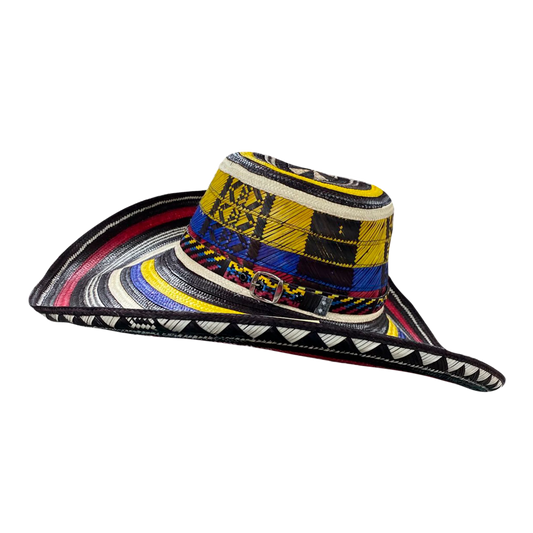
Vueltiao hats are one of Colombia’s most iconic cultural symbols. Handwoven by Zenú artisans in the Caribbean region of Colombia, each hat is crafted using caña flecha fiber through ancestral techniques passed down for generations.
Recognized by UNESCO as Intangible Cultural Heritage of Humanity, the Vueltiao hat represents identity, tradition, and artistic mastery. Its distinctive black-and-white patterns reflect the worldview of the Zenú people and the cycles of life and nature.
Our authentic Colombian Vueltiao hats are available in different fiber counts and styles, from traditional designs to refined handcrafted pieces. Designed for both men and women, each hat is shipped directly from Colombia to the USA, preserving its cultural essence and artisanal quality.
Styles of Vueltiao Hats
Explore traditional, Machito, and Colombia styles, each offering unique craftsmanship levels and fiber density, from everyday wear to premium artisanal pieces.
FAQs
- What is a Vueltiao hat? A Vueltiao hat is a traditional Colombian hat handmade by Zenú artisans using caña flecha fiber. It is a national symbol and a UNESCO-recognized cultural heritage piece.
- What material are Vueltiao hats made of? Vueltiao hats are handwoven from caña flecha, a native plant fiber from Colombia’s Caribbean region, valued for its flexibility and durability.
- What does the number of fibers or turns mean? The number of turns (or fibers) indicates the level of craftsmanship. Hats with more turns feature finer weaving, greater detail, and higher artisanal value.
- Are Vueltiao hats suitable for men and women? Yes. Vueltiao hats are unisex and designed for both men and women who appreciate cultural heritage and western-inspired style.
- Where are Vueltiao hats shipped from? All our Vueltiao hats are shipped directly from Colombia to the USA using secure international shipping services.
- In which events are Vueltiao hats traditionally worn? Vueltiao hats are traditionally worn during cultural celebrations such as the Barranquilla Carnival and the Vallenato Festival, symbolizing Colombian identity and pride.